Understanding the Basics of Lead Testing
Lead testing is a crucial step in maintaining a safe and healthy environment, particularly in areas like Lantana, FL, where older homes and businesses might still contain lead-based materials. If you're new to the concept, this guide will help you understand the importance of lead testing, how it's conducted, and what to expect during the process.
Why is Lead Testing Important?
Lead exposure is a serious health risk, linked to a range of medical issues, particularly in young children and pregnant women. It can cause developmental delays, neurological changes, and other serious health problems. In Lantana, FL, where the humid climate can exacerbate the deterioration of lead-based paints, ensuring your home or business is lead-free is essential.
Who Needs Lead Testing?
Lead testing is recommended for:
- Homeowners: Especially those living in houses built before 1978, when lead paint was banned.
- Property Managers: To ensure rental properties are safe for tenants.
- Business Owners: Particularly those operating in older buildings, to protect employees and customers.
How Lead Testing Works
Initial Consultation and Inspection
The lead testing process typically begins with a consultation. This involves discussing your concerns and the specifics of your property. An inspector will then conduct a thorough examination to identify potential lead hazards.
Sampling and Analysis
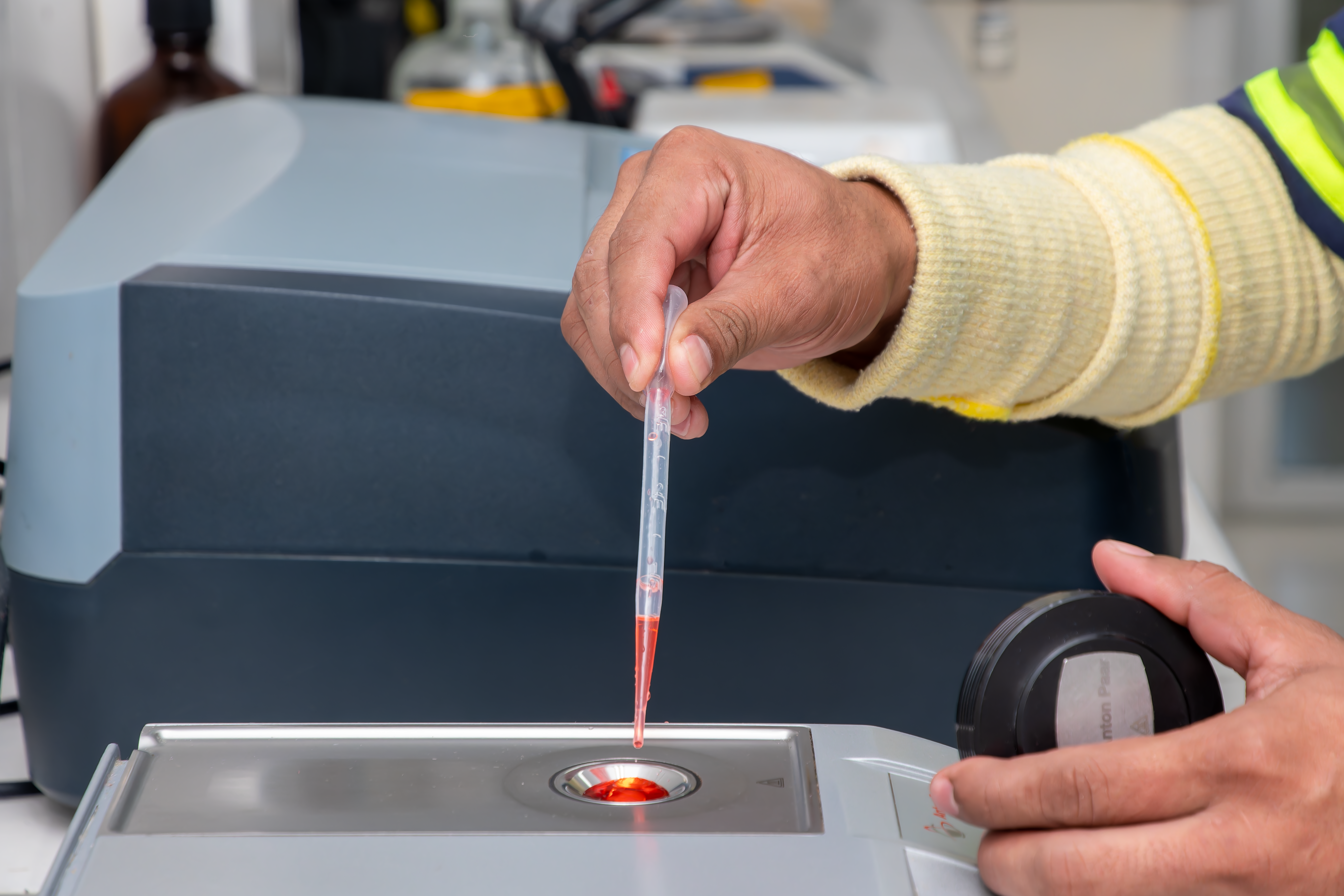
During the inspection, samples are taken from various surfaces such as walls, floors, and soil around the building. These samples are then sent to a certified laboratory for analysis. The results will detail the presence and concentration of lead.
Understanding the Results
Once the analysis is complete, you'll receive a detailed report. This report will outline the levels of lead found and recommend actions to mitigate any risks. If lead is detected, abatement procedures might be necessary to remove or seal the lead-based materials.
Preparing for a Lead Test
Steps to Take Before Testing
To ensure a smooth lead testing process, consider these steps:
- Clear the Area: Remove furniture and personal items from areas to be tested.
- Inform Inhabitants: Notify family members or employees about the testing to minimize disruptions.
- Provide Access: Ensure the inspector can easily access all areas, including basements and attics.
Choosing a Certified Lead Testing Service
Selecting a reputable and certified lead testing service is crucial. Look for local providers with experience in Lantana, FL, who adhere to state regulations and standards.
Post-Testing Actions
Interpreting the Findings
If the test results show elevated lead levels, you'll need to take action to mitigate the risk. This might involve hiring a lead abatement specialist to remove or encapsulate lead-containing materials.
Ongoing Monitoring and Maintenance
Even after lead removal, ongoing monitoring is essential. Regular inspections ensure that no new hazards have developed over time. Additionally, maintaining your property's paint and fixtures can prevent future lead exposure.
Conclusion
For beginners in Lantana, FL, understanding the fundamentals of lead testing is the first step towards ensuring a safe living and working environment. By taking proactive measures and selecting reliable lead testing services, you can significantly reduce the risk of lead exposure in your home or business.
Contact Lead Testing Consultants in Lantana, FL, today to schedule your consultation and take the first step towards a lead-free environment.