Understanding the Importance of Lead Testing in Lantana Homes
As a homeowner in Lantana, Florida, ensuring the safety of your environment is paramount. Lead contamination in homes can pose significant health risks, particularly to children and pregnant women. With older homes prevalent in the area, understanding how to test for lead is crucial. This guide will walk you through the basics of DIY lead testing, helping you take the first steps towards a safer home.
Why DIY Lead Testing?
While professional lead testing services provide comprehensive analysis, DIY testing kits can be an effective preliminary step. They offer a cost-effective and immediate way to assess potential lead issues in your home. This method allows homeowners to quickly identify problem areas and decide if further professional evaluation is necessary.
What You'll Need for DIY Lead Testing
Before you begin, gather the necessary supplies. Most DIY lead testing kits available in hardware stores or online will include:
- Lead Test Swabs: These are chemically treated and change color in the presence of lead.
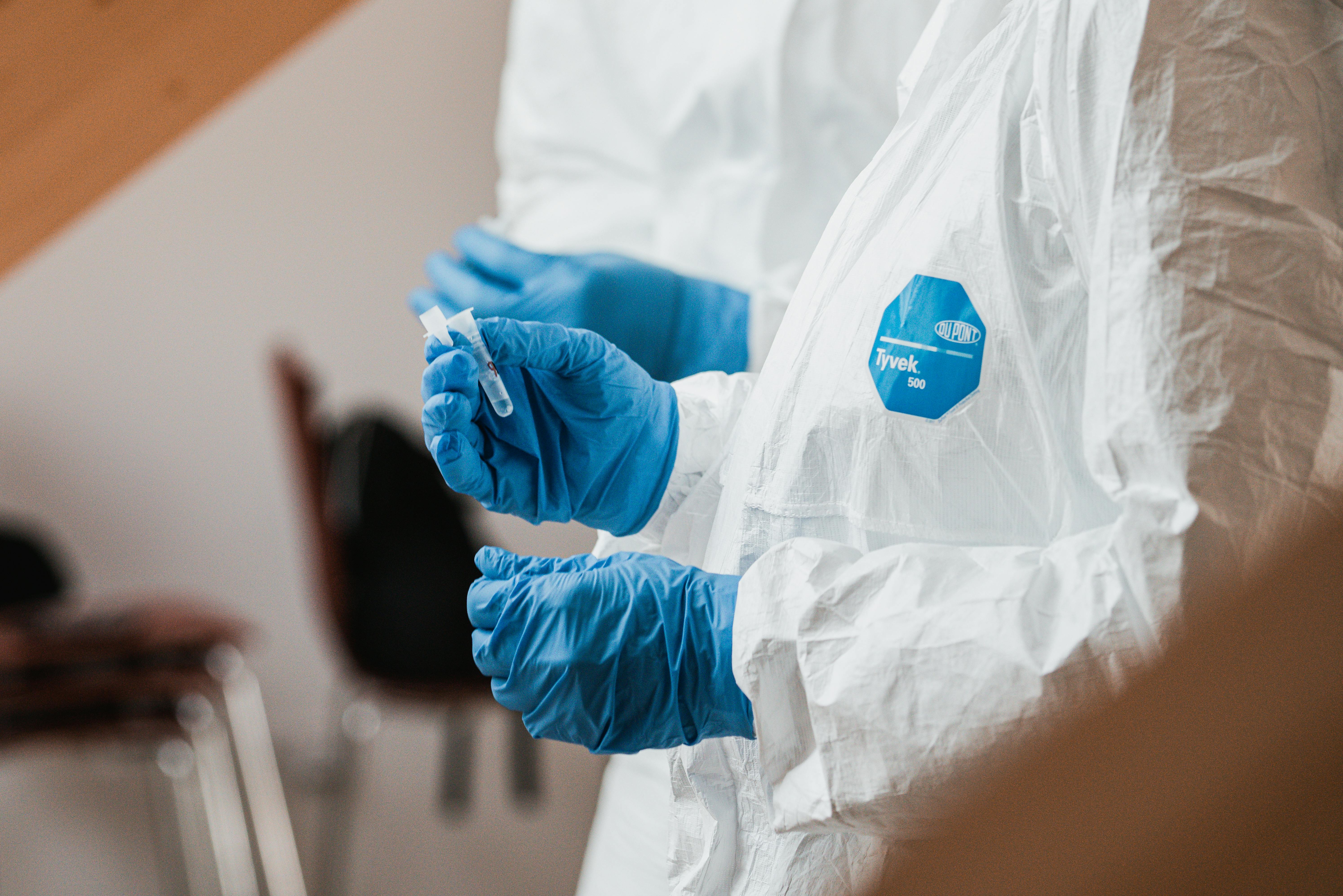
- Protective Gear: Gloves and masks to prevent direct contact with potentially contaminated surfaces.
- Cleaning Materials: Soft cloths and household cleaners to prepare surfaces.
Step-by-Step Guide to DIY Lead Testing
Step 1: Identify Potential Sources
Lead can be present in various parts of your home, including paint, dust, soil, and plumbing. Begin by examining areas with chipping or peeling paint, particularly in homes built before 1978. Pay special attention to windows, doors, and trim work.
Step 2: Prepare the Surface
Before testing, clean the surface with a mild detergent to remove any dust or dirt. This ensures the test results are not skewed by surface contaminants. Allow the area to dry completely.
Step 3: Conduct the Test
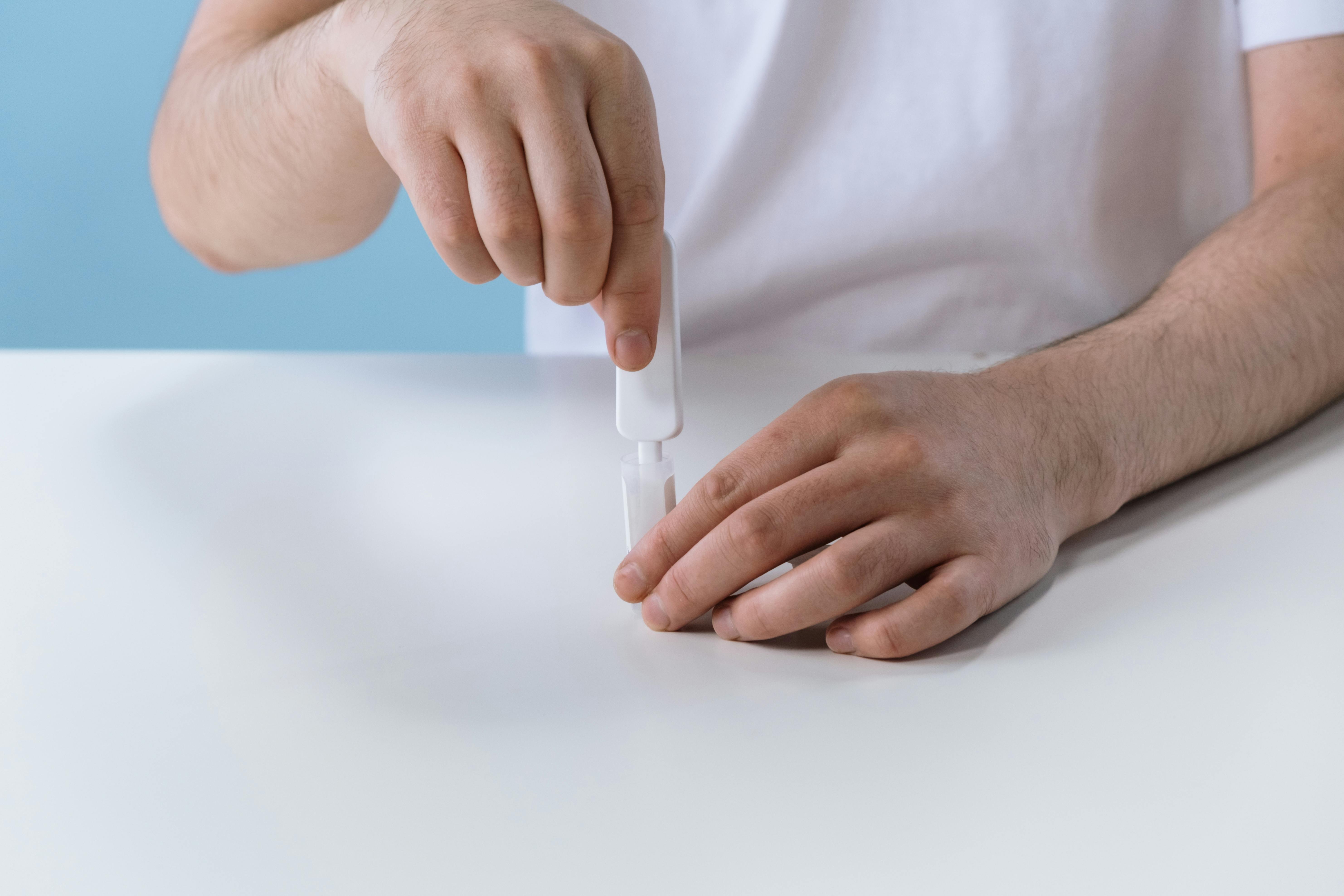
Follow the instructions provided with your testing kit. Typically, this involves breaking the lead test swab and rubbing it on the surface in question. Observe any color change as indicated in the kit’s guide. Most swabs will turn pink or red if lead is detected.
Step 4: Record and Interpret Results
Document your findings carefully, noting the locations and any color changes observed. If lead presence is confirmed, consider calling a professional for a more detailed analysis and mitigation plan.
What to Do If You Find Lead
If your DIY test indicates the presence of lead, it’s crucial to act quickly to mitigate risks. Here are some steps you can take:
- Contact a Professional: Hire a certified lead specialist in Lantana to conduct a thorough inspection and provide remediation options.
- Minimize Exposure: Until professional help arrives, limit access to affected areas, especially for children and pregnant women.
- Consider Temporary Solutions: Apply interim controls such as encapsulating lead paint with sealants to reduce exposure.
Preventive Measures to Keep Your Home Lead-Free
While testing is essential, preventing lead contamination is equally important. Here are some preventive measures you can implement:
- Regular Maintenance: Keep painted surfaces in good condition and promptly address any chipping or peeling paint.
- Safe Renovation Practices: Use lead-safe certified contractors for renovations and avoid sanding or peeling paint without proper precautions.
- Water Safety: Test your water regularly for lead, especially if you have older plumbing systems.
Conclusion: Ensuring a Safe Home Environment
Lead testing is an integral part of maintaining a safe home in Lantana, FL. While DIY kits provide a preliminary check, they should be part of a broader strategy that includes professional testing and regular maintenance. By understanding and applying these beginner-friendly steps, you can ensure your home is a safe haven for you and your family. For comprehensive testing and peace of mind, consider reaching out to Lead Testing Consultants for expert advice and services.