Understanding the Importance of Lead Testing in Homes
As a homeowner in Lantana, FL, ensuring your home is free from lead contamination is crucial for the safety and well-being of your family. Lead exposure, even in small amounts, can pose serious health risks, especially to children and pregnant women. This guide will walk you through the basics of conducting lead testing at home, empowering you to take control of your housing environment.
What is Lead and Why is it a Concern?
Lead is a highly toxic metal that was commonly used in household products and construction materials until its dangers became widely recognized. Despite regulation efforts, older homes may still contain lead in paint, dust, water pipes, and soil. Therefore, understanding where lead might be present in your home is the first step in mitigating risk.
Common Sources of Lead in Homes
- Lead-based Paint: Homes built before 1978 are likely to have lead-based paint, which can chip and turn into dust.
- Soil: Exterior lead paint can contaminate soil around the house.
- Water Pipes: Lead pipes, solder, and fixtures can leach lead into drinking water.
- Household Dust: Dust from deteriorating lead-containing materials can settle on surfaces.
Preparing for Home Lead Testing
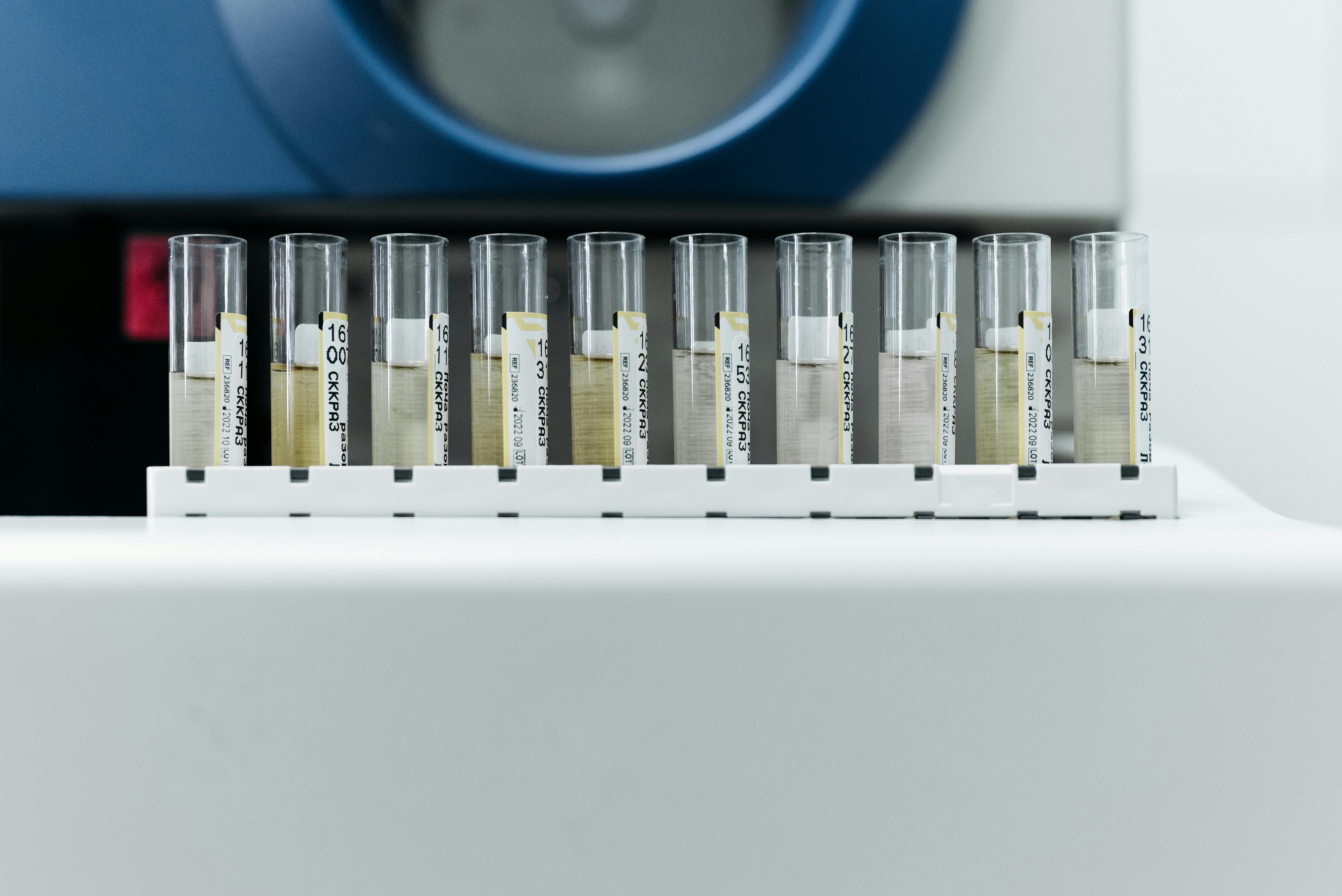
Before beginning the lead testing process, gather the necessary materials. You can purchase a lead testing kit from a local hardware store or online. These kits usually include instructions, testing swabs, and tubes for collecting samples.
Choosing the Right Lead Testing Kit
When selecting a lead testing kit, look for the following features:
- EPA Recognition: Ensure the kit is recognized or certified by the Environmental Protection Agency (EPA) for accurate results.
- Comprehensive Testing: Choose a kit that can test for lead in paint, dust, and water.
- Clear Instructions: Make sure the kit includes easy-to-understand instructions.
Step-by-Step Guide to Conducting Lead Tests
Testing for Lead in Paint
Here's how to test for lead in paint:
- Select an Area: Identify areas with peeling or chipping paint.
- Follow Kit Instructions: Use the provided swab on the paint surface.
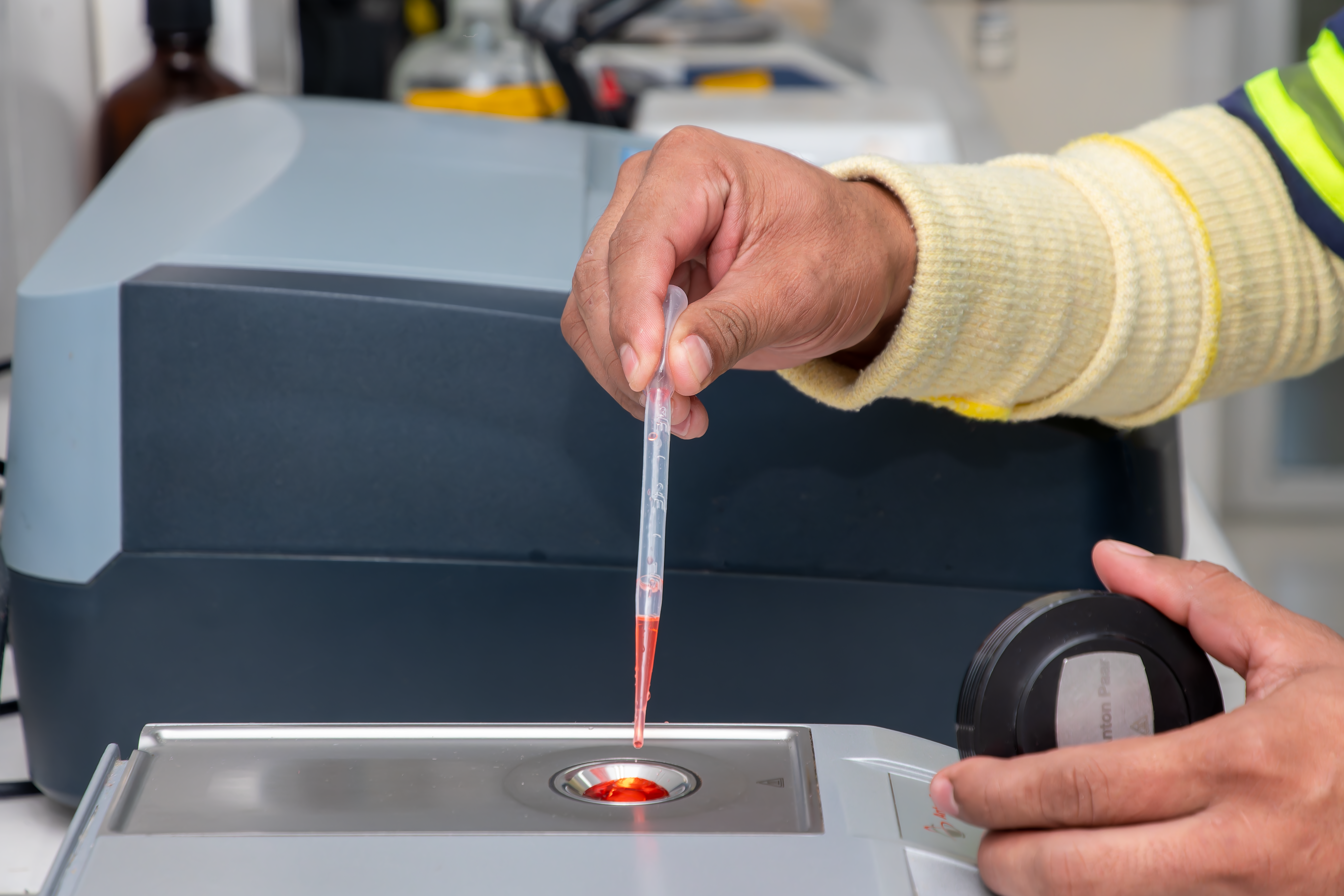
- Observe Results: Most kits will change color if lead is present.
Testing for Lead in Water
Follow these steps to test for lead in your water supply:
- Collect Water Sample: Use the tubes provided to collect a water sample from your tap.
- Send for Analysis: Some kits require mailing the sample to a lab for analysis.
- Check Results: Review the lab results to determine lead presence.
Testing for Lead in Soil
To test soil around your home:
- Take a Soil Sample: Use a small trowel to collect a sample from the top 1-2 inches of soil.
- Prepare and Test: Follow the kit's instructions for testing the soil sample.
- Interpret Results: Look for color changes or send the sample to a lab as directed.
Interpreting and Acting on Your Results
After testing, it is crucial to interpret the results accurately. If your tests indicate the presence of lead, taking immediate action is essential for your family's health.
Steps to Take if Lead is Detected
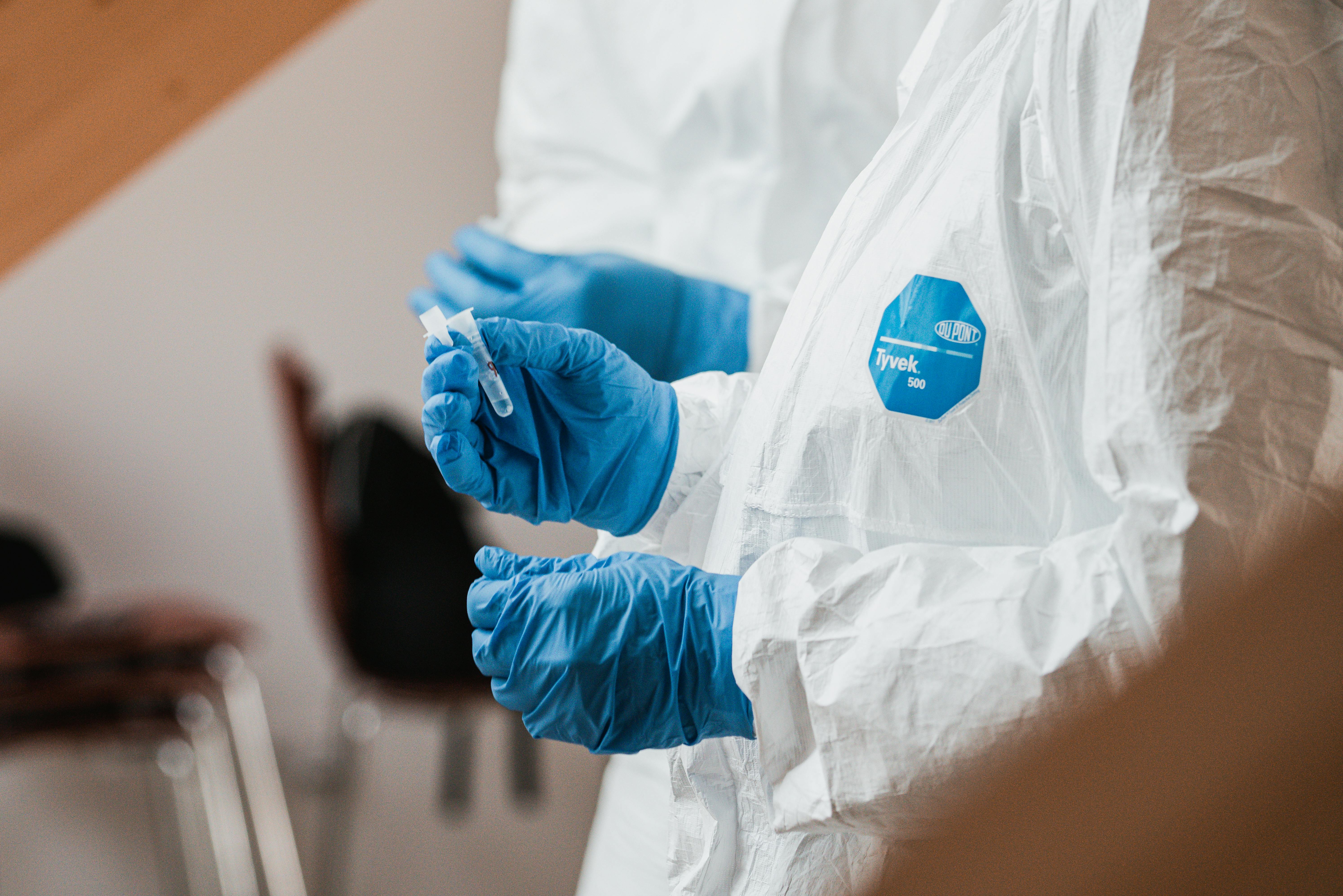
- Hire a Professional: Contact a certified lead testing service in Lantana, FL, like Lead Testing Consultants, for a more comprehensive assessment.
- Mitigation Measures: Professionals can help with lead removal or encapsulation strategies.
- Preventive Measures: Implement measures such as regular cleaning and using water filters to minimize exposure.
Conclusion: Ensuring a Lead-Free Home Environment
While conducting lead tests at home can provide initial insights, working with experts ensures thorough and effective lead management. Lead Testing Consultants in Lantana, FL, can assist in identifying, testing, and mitigating lead risks comprehensively. Protect your family by staying informed and proactive in addressing potential lead hazards in your home.
For more information about professional lead testing services, visit Lead Testing Consultants or contact their office in Lantana, FL, today.